What Is Roof Waterproofing and Sheet Fixing?
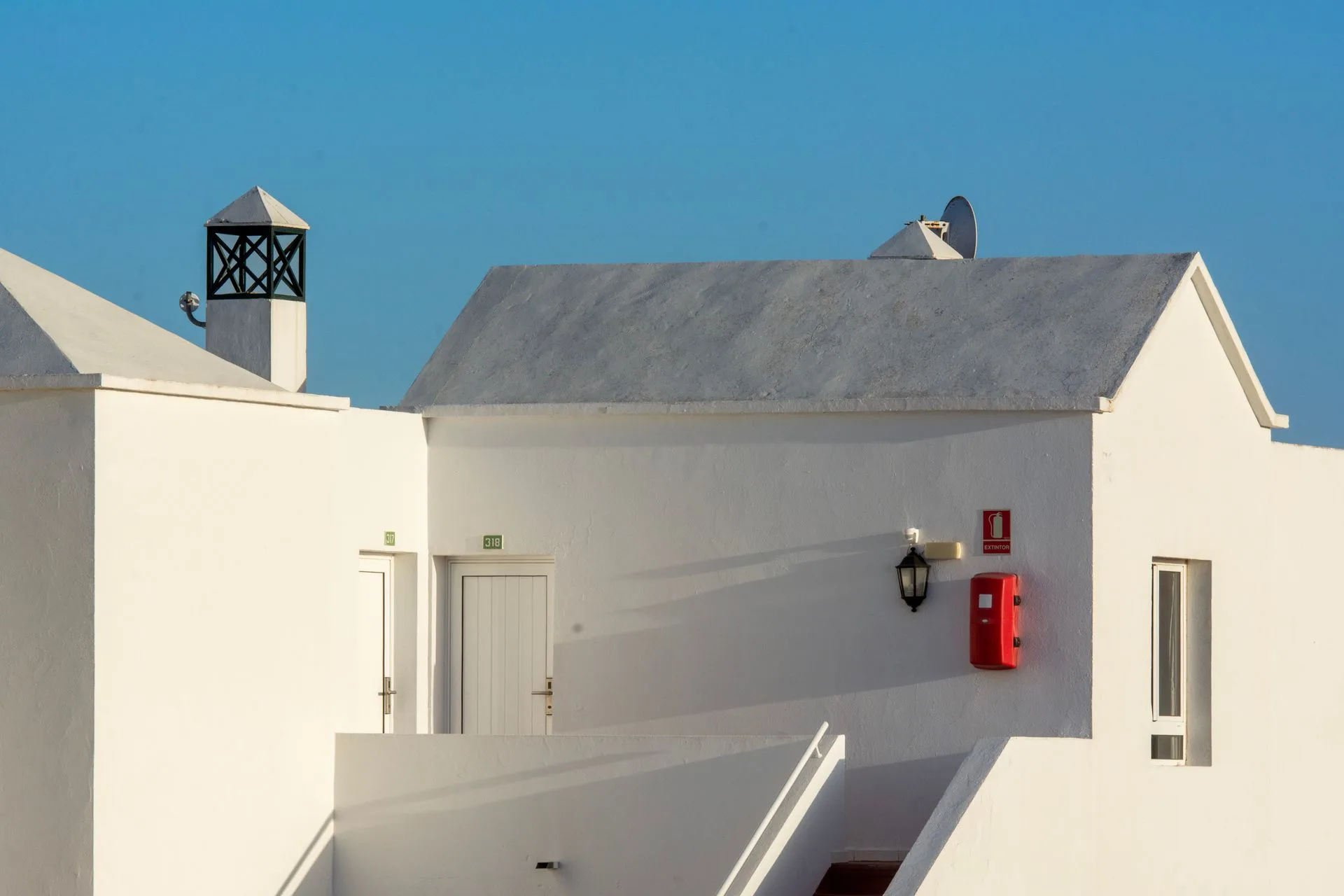
Roof waterproofing in Dubai addresses a genuinely demanding set of conditions: intense year-round sun, sudden seasonal downpours between roughly November and March, and — for coastal properties — salt-laden air that accelerates corrosion on metal roofing and fixings. Flat roofs, standard across most Dubai villas and commercial buildings, are particularly vulnerable to ponding, where water pools after rain instead of draining properly. Water still visible on a roof surface 48 hours after rain is a clear warning sign that drainage or waterproofing has failed, since standing water exerts ongoing pressure on the membrane beneath it and accelerates its breakdown.
Hairline cracks that seem cosmetic are a more serious issue than they appear. Dubai’s extreme heat cycle causes these cracks to open and close repeatedly through thermal expansion, and water entering during rain sits in the crack and weakens the structural layer beneath over weeks, well before any visible leak appears inside the property. By the time staining or dripping shows up on a ceiling, the underlying damage has often been developing for some time.
A failing roof waterproofing system has a cost beyond visible leaks that many property owners do not immediately connect: wet insulation loses most of its thermal resistance, which means the AC system works harder and longer to maintain indoor temperature, directly increasing electricity costs. Since cooling accounts for a substantial share of a Dubai building’s total energy use, a compromised roof is as much an energy efficiency problem as a structural one.
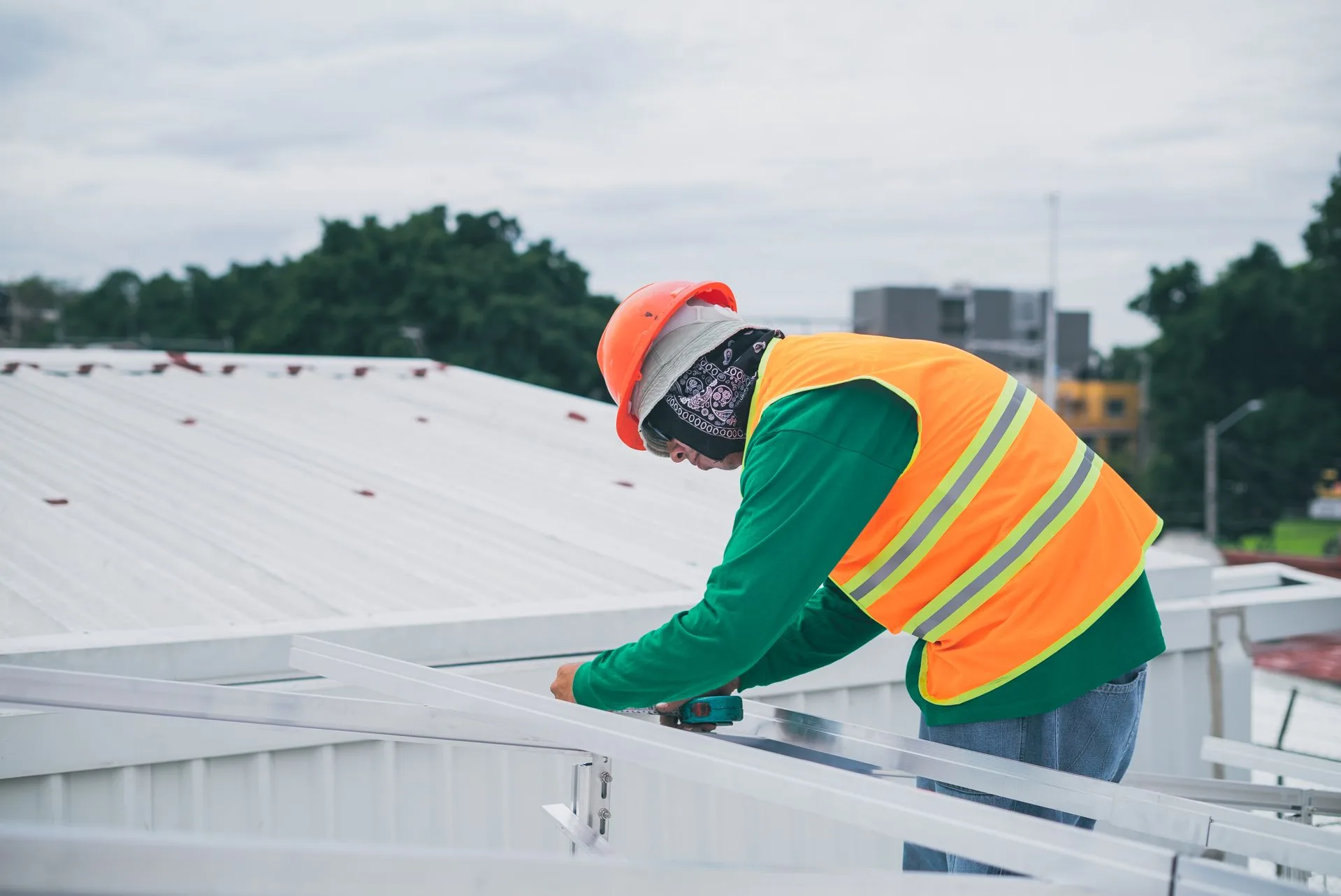
Prime Fixen roof waterproofing follows a structured process: inspection to identify leak sources and problem areas using moisture detection, surface cleaning and preparation, crack repair and priming, application of two to three coating or membrane layers depending on the system selected, and a water ponding test to verify the work before handover. We also install and repair metal roofing sheets for warehouses and commercial structures, where corrosion from coastal salt exposure is a common cause of failure separate from membrane waterproofing issues.