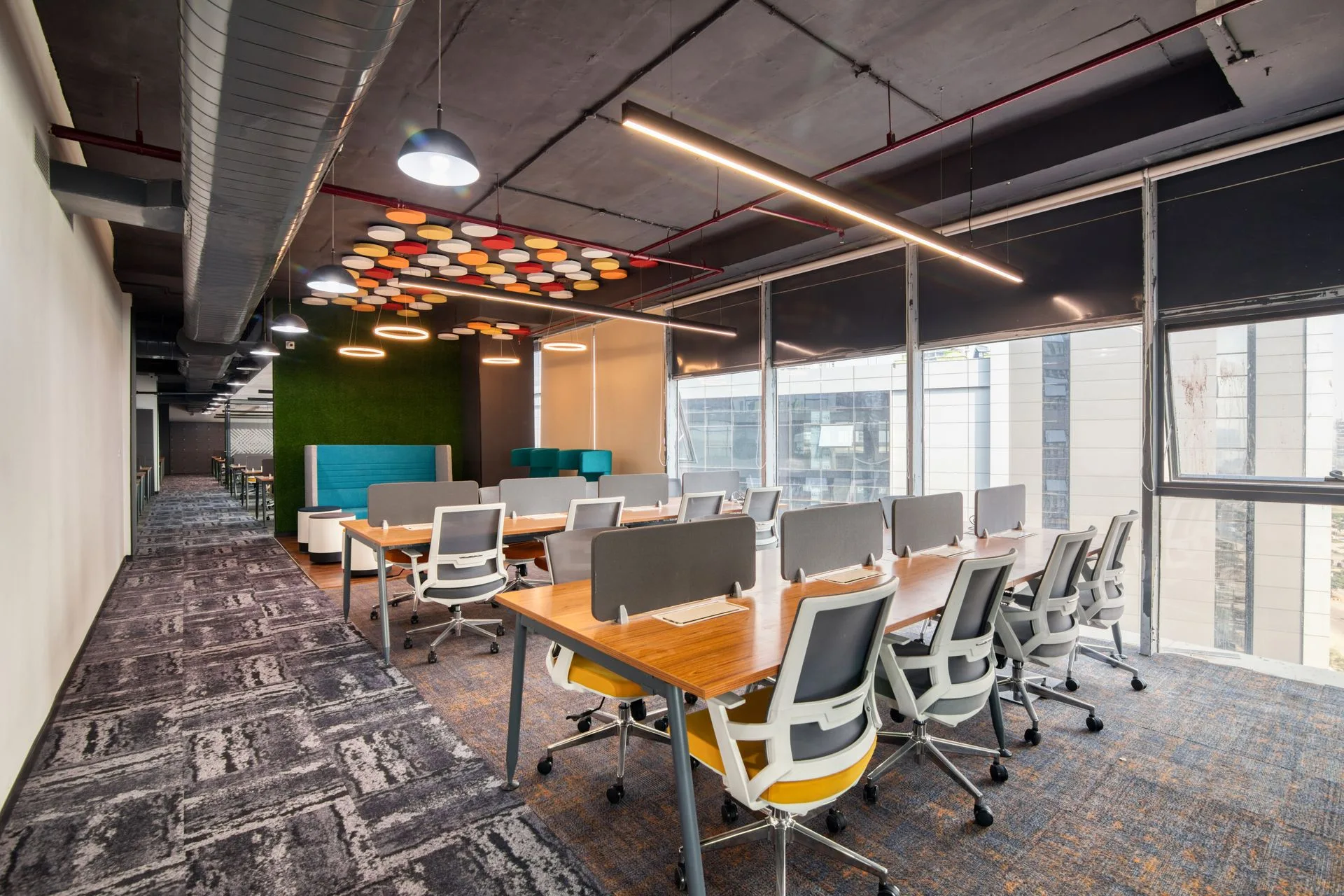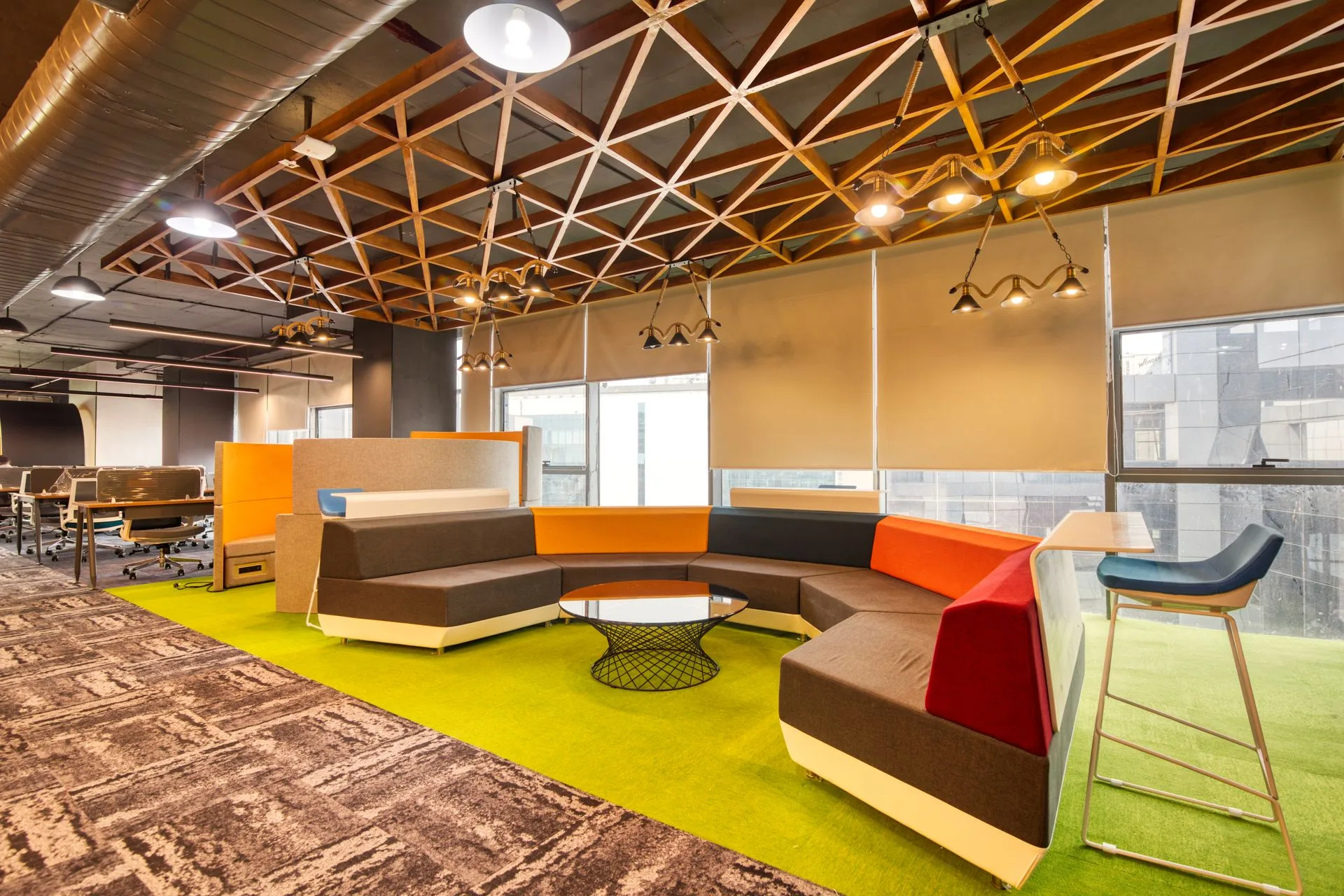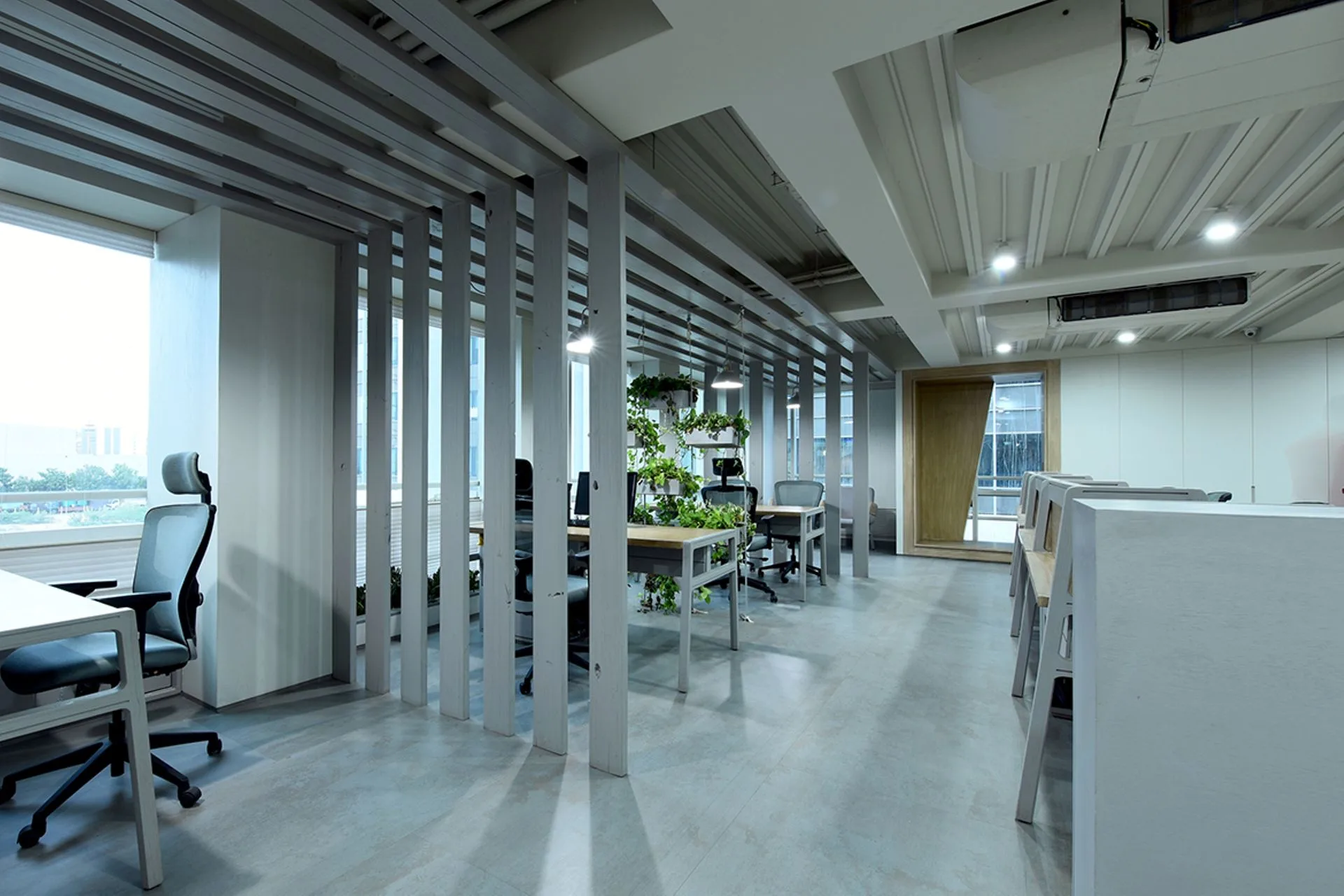
What Is Office Renovation?
Office renovation and fit-out in Dubai is governed by one of the more layered regulatory environments in the region, and understanding which authorities are involved before work begins is often the difference between a smooth project and one that stalls mid-way. Depending on your building’s location, a single office fit-out can require approval from Dubai Municipality, Dubai Civil Defence for fire and life safety, DEWA for electrical connections, and — if the office sits in a free zone such as DIFC, TECOM, JAFZA, or DMCC — that free zone authority’s own separate approval process, which often runs in parallel to or instead of standard government approvals.
Civil Defence approval specifically is mandatory for virtually every commercial fit-out in Dubai, covering fire-rated partitions, suspended ceiling work, sprinkler modifications, and emergency signage. Occupying a fitted-out office without a Civil Defence compliance certificate is a legal violation that voids most commercial insurance policies, which is why this step cannot be treated as optional paperwork to sort out later.
Fit-out projects are generally described in terms of Category A and Category B scope. Category A refers to the base landlord fit-out — raised floors, suspended ceilings, and basic MEP services that make a shell space lettable but not yet usable. Category B is the tenant’s fit-out layered on top: partitioned rooms, joinery, branded finishes, lighting design, and IT infrastructure that actually make the space functional for a specific business. Understanding which category your lease covers avoids budgeting for work the landlord was already responsible for, or missing scope the landlord never intended to provide.
Many commercial towers in Business Bay, DIFC, and JLT restrict noisy activity — drilling, cutting, demolition — to after-hours and weekends, which affects both project timeline and cost if not planned for from the start. Prime Fixen confirms building management restrictions during the initial site survey and includes any after-hours work in the quoted price upfront, rather than adding it as a surprise once the project is underway.