What Is Interior Designing?
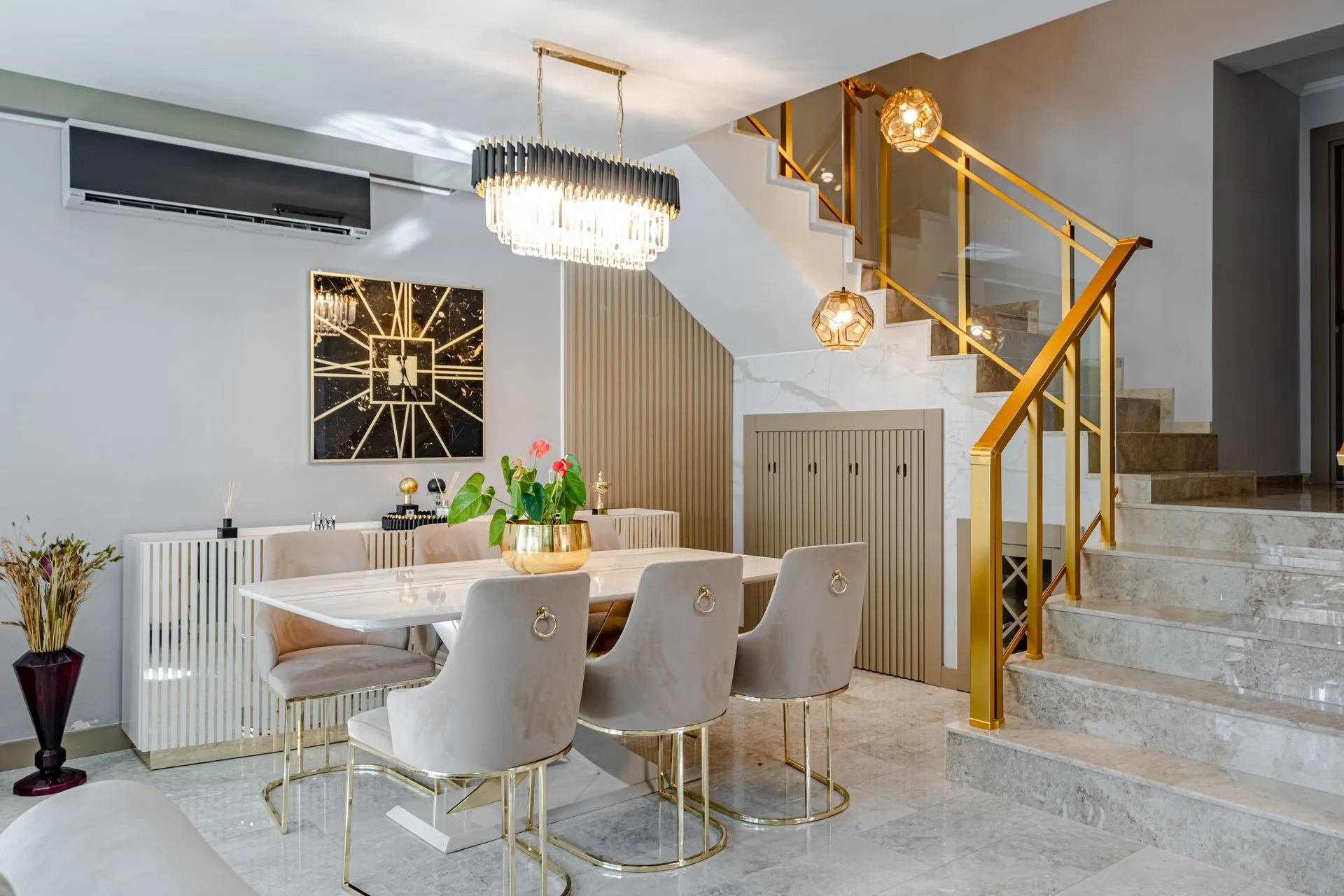
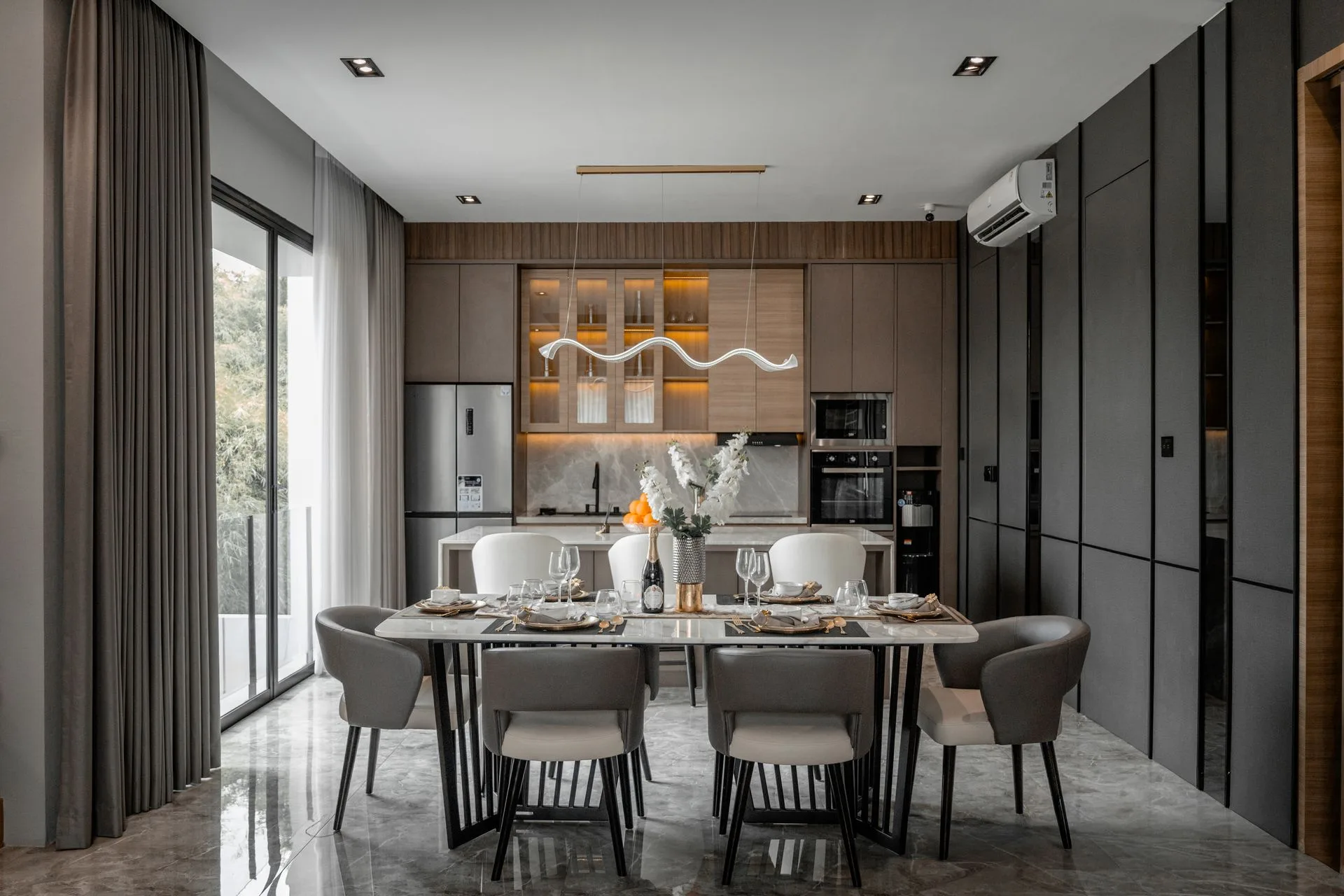
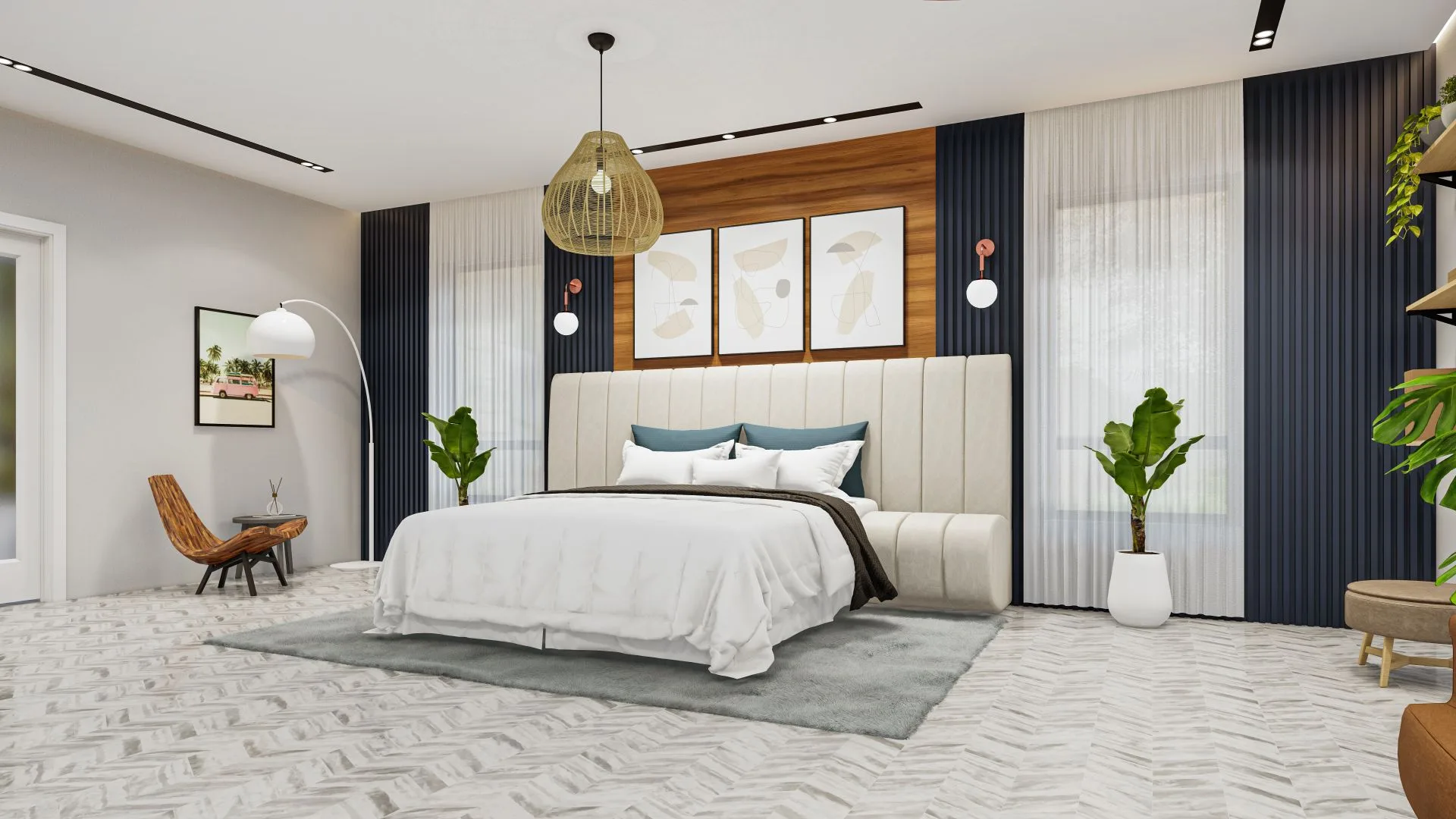
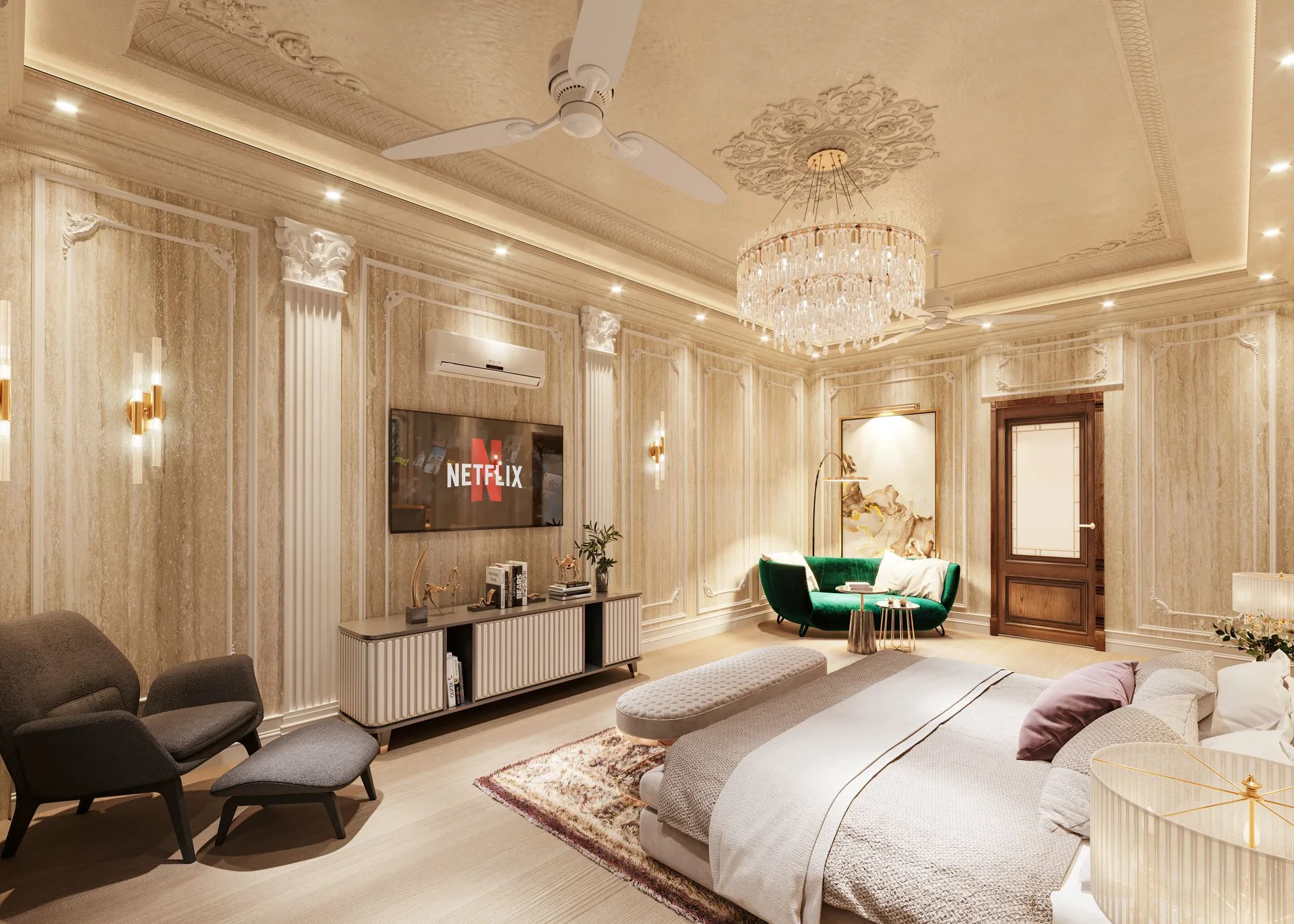
Interior design in Dubai covers space planning, material and finish selection, and coordination of the fit-out process for homes, offices, and commercial spaces, and the market here has its own distinct character shaped by climate, culture, and a genuinely international client base. Dubai interiors in 2026 have moved toward what many designers describe as warmer minimalism: clean, minimal layouts softened with layered textiles, honed stone, and warm wood tones, replacing the flatter white-on-white minimalism that dominated a few years ago.
Open-plan layouts remain the dominant request across villas, apartments, and penthouses, merging kitchen, dining, and living space into one connected zone with large glass doors linking interiors to terraces, gardens, and pool areas. Biophilic elements — indoor planting, natural textures, and daylight optimization — have become standard rather than a premium add-on, alongside smart home integration for lighting and climate control that stays visually unobtrusive rather than announcing itself.
For villa interiors specifically, majlis areas, multi-generational living considerations, and outdoor entertaining zones shape the brief differently than a city apartment. Material choices also differ by context: Dubai’s intense heat and glare mean designers increasingly specify materials that perform well long-term — softer neutral palettes that hold up against desert light better than stark white, and finishes selected for durability alongside appearance.
Prime Fixen designs interiors in-house alongside our own construction and fit-out team, meaning a design concept moves directly into execution without handoff delays or miscommunication between separate design and build contractors. Every project includes 3D visualization before construction begins, so you see the space before committing to it, and material and furniture sourcing is handled as part of the same engagement rather than left for the client to manage separately.